



 When the majority of people think of gum disease, the first thing that comes to mind is typically along the lines of bleeding gums, sensitivity, and maybe even tooth loss. While it is true that these are symptoms and complications commonly associated with gum disease, the dangers of this condition actually extend much further. At Renee Corbitt, DDS in Fort Worth, TX, Dr. Corbitt helps patients with gum disease decrease their risks of systemic health problems with periodontal therapy.
The Mouth-Body Connection
When a patient suffers from untreated gum disease, the bacteria that cause the infection within the gingival tissue is capable of traveling throughout the body as well. This can lead to a surprisingly large number of health concerns, including:
- Coronary artery disease
- Respiratory illnesses, including pneumonia
- Heart attack and stroke
- Diabetes complications
- Rheumatoid arthritis and osteoporosis
- Complications in pregnancy and pre-term delivery
- Dementia, particularly in older patients
Fortunately, periodontal therapy from Dr. Corbitt’s office can help to reduce your risk of suffering from these and related health conditions. In addition, our general dentistry cleanings and exams can help you prevent these problems from returning, thereby further improving your overall health and well-being.
Depending on the severity of the condition, Dr. Corbitt may recommend specific procedures to target the infection and prevent further damage. Periodontal therapy may include scaling and root planing, the administration of special antibiotic medication, and more frequent maintenance visits to ensure success of the treatment.
Healthy Smile, Healthy Life
If you or someone in your family has noticed the tell-tale signs of gum disease, it’s time to schedule your appointment with Dr. Corbitt and our caring, friendly team. We’ll be happy to sit down with you and discuss your individual case, as well as our various treatment options and services. Contact us today and discover what a dramatic difference our unique, genuinely caring approach can make in your next dental experience. Our Fort Worth, TX office gladly welcomes patients from throughout the Dallas/Ft. Worth area, including Arlington, Haltom City, Richland Hills, Forest Hill, and more.
 Root canal therapy, or endodontic treatment, is a process by which a damaged tooth is treated and repaired to prevent further infection, as well as to avoid the need for extraction. At
  No one wants to face dealing with a painful cavity or the treatment that tooth decay ultimately requires; that’s why preventive dentistry plays such an important role in overall oral health. At
  Most people have some idea as to what dental plaque is based on the television commercials we see for various toothpastes and mouthwashes, but how much do you really know about this mystery substance on your teeth? At the
  When you smile, do you feel confident and comfortable with the appearance of your teeth? For many people, dental blemishes like cracks, chips, stains, and gaps are issues that keep them from smiling freely at work and in social situations. At
  Do you often wake up in the morning with a stiff neck, sore jaw, or a persistent headache? Do you experience a popping or clicking sound or sensation when you open and close your mouth? If so, it is possible that you may be suffering the symptoms of a common condition known as temporomandibular joint disorder, or TMJ/TMD. At
  Do you find that you often feel exhausted during the day even when you’ve had what should have been a good night’s sleep? Perhaps your partner complains about your loud snoring, particularly when you lie on your back? Though these may be indicative of other issues, they are a few of the most common signs of a sleep disorder called sleep apnea. At the office of
 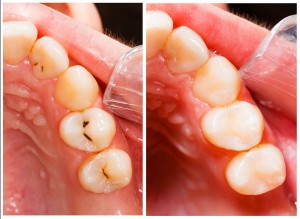 Fillings represent the most common type of restorative dentistry performed today. They prevent further decay in a tooth that has already been compromised, and they provide necessary structural integrity to the entire tooth itself. At the
 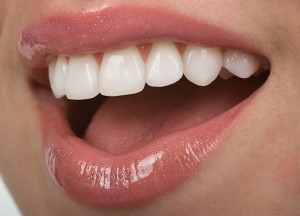 In certain cases, it may be necessary for patients to have one or more teeth extracted. For young patients, it may be that a baby tooth is not falling out and will need to be removed so the permanent tooth can come in behind it. For adults, there are many other reasons that a tooth might need to be extracted:
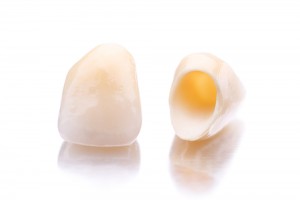 Do you have a cracked, broken, or badly decayed tooth? Talk to